





Managing an inherited home during probate came with more decisions than I expected. Getting the property insured was one of the few things that felt simple and under control.

Our retail unit remained empty while we searched for a new tenant. The building still contained equipment and represented a significant liability, so maintaining the right coverage during the transition was essential.

Clients rarely realize that moving out can change how their existing policy covers the home. Having a clear vacant-property insurance option gives them one less issue to solve before listing or closing.

My rental sometimes sits empty between bookings, especially outside the busy season. I needed coverage that reflected how the property is actually used instead of forcing it into a standard homeowners policy.

I had already moved into my new home when I learned that my previous policy might not fully cover the vacant property. VacantGuard gave me peace of mind while buyers, agents, and inspectors were walking through the house.

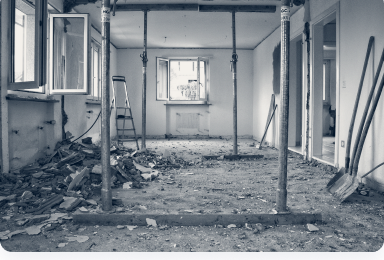
With contractors coming and going, materials inside, and parts of the house exposed, leaving the property uninsured wasn’t an option. The quote was straightforward, and I had the coverage documents ready for the project.

Vacancies are unpredictable, but the insurance gap doesn’t have to be. I was able to arrange coverage as soon as my tenant moved out, without spending days calling different agents.